
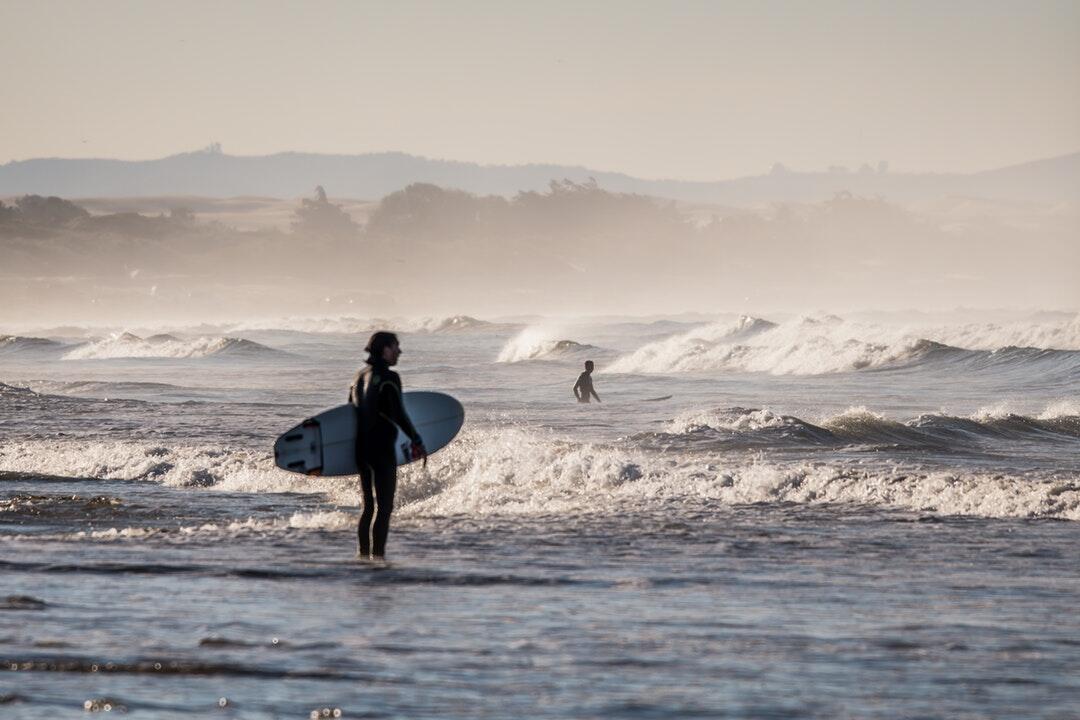
Uncover the best places to surf in Canada with our top picks. Grab your board and ride the waves at these spectacular surfing destinations!
When most people think of surfing, Canada might not be the first destination that comes to mind. Images of tropical beaches and palm trees often dominate surf culture.
But the truth is that Canada boasts some of the most beautiful, wild, and exhilarating surf spots in the world.
You just need to bring a thicker wetsuit when you surf in Canada.
From the rugged Pacific coast of British Columbia to the icy Atlantic swells of Nova Scotia and the inland river waves of Alberta and Quebec, Canada offers an impressive diversity of surf experiences.
Whether you’re a seasoned surfer chasing storm swells or a curious beginner eager to catch your first wave, Canada’s top surfing destinations are welcoming, raw, and incredibly rewarding.
This article explores the best places to surf in Canada, highlighting what makes each location unique, when to visit, and what to expect.
Haida Gwaii, Graham Island, British Columbia
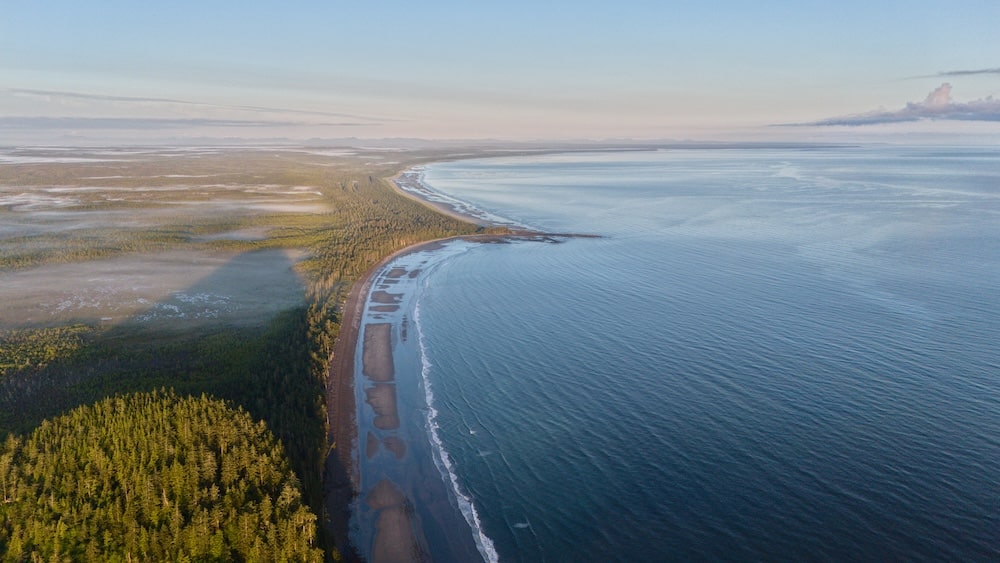
The primary big surf season here is October to May, but the swells do roll in virtually every month of the year, making it one of the best surf spots for cold-water adventurers.
For beginners, the best time is the summertime, and this is true for kids who wish to learn to surf as well.
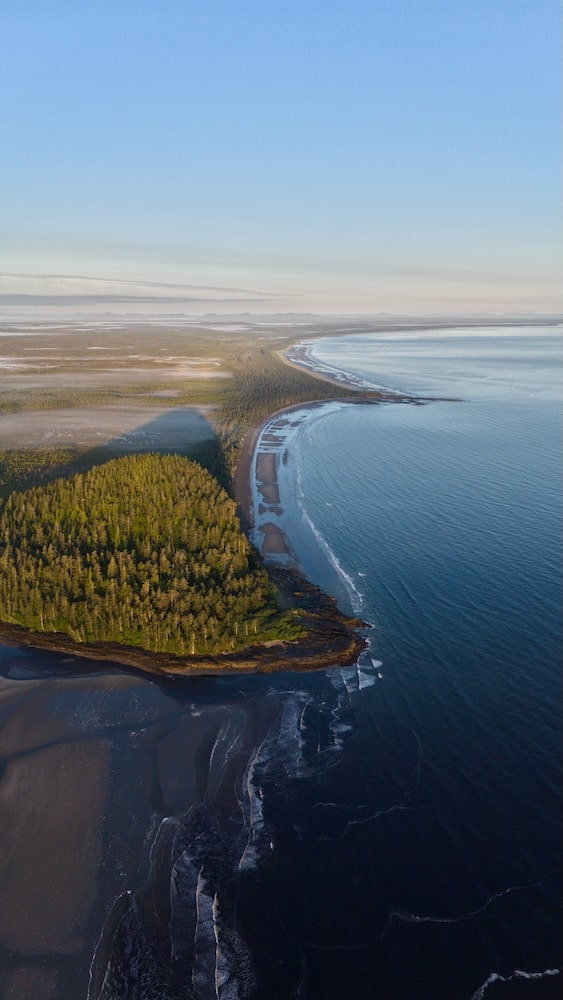
The North Beach Surf Shop is a great spot to learn more about the local surfing conditions and to get the lowdown on virtually any activity on the island.
You can also rent or buy your gear from this shop.
And for accommodations, you can’t go wrong with Haida Gwaii Longhouses!
These longhouses were built using local carpentry apprentice programs, cabinetry programs, and the local milling crew. They offer a stay that combines the beauty of tradition with the charm of cabin-like comfort.
The great thing about our longhouses is that they are highly sustainable, thanks to minimal water usage (three-minute showers only, please), no flushing anything down the toilets, and the use of green cleaning products.
We respect the forest in which we reside, and we ask our visitors to do the same. We are off-the-grid in an environmentally sensitive area and do not provide bedding or towels (please bring your own). We have either a group longhouse, which can accommodate 20 guests at a time, or a small longhouse, which accommodates four guests at a time.
Of course, there is no Wi-FI in the forest, so it can be a great time to digitally detox from the routines of the world and to get back to nature. We do welcome pets in our community, so feel free to bring along your dogs.
If you are worried about living off-grid for a few days while you surf, do not fear. We are always on hand to ensure your stay is as comfortable as possible. And you will be surprised at how fresh you feel after a bit of a digital detox and surf holiday in the beautiful land of Haida Gwaii. There’s also lots more to do besides surfing, like hiking, fishing, and checking out Haida art.
Tofino, British Columbia
Tofino, British Columbia, is often called the surf capital of Canada, and for good reason.
Situated on Vancouver Island’s wild west coast, Tofino offers consistent year-round swell driven by Pacific storms and a vibrant surf community that is both welcoming and experienced.
The area is home to several notable surf beaches.
- Cox Bay is a hotspot for intermediate to advanced surfers due to its powerful waves and strong currents.
- Chesterman Beach provides a more forgiving environment and is ideal for beginners, especially longboarders, with its mellow, rolling waves and wide sandy shoreline.
- Long Beach, nestled within Pacific Rim National Park, is a vast expanse of coastline offering a mix of conditions suitable for all levels of surfers.
The best time to surf in Tofino is during the fall and winter months when the swell is most consistent and powerful, while the summer months provide smaller, beginner-friendly waves perfect for learning.
Jordan River, British Columbia
South of Tofino lies Jordan River, a quieter but equally compelling destination on Vancouver Island’s southern coast.
About an hour and a half from Victoria, Jordan River is known for its right-hand point break that activates during winter storms.
This location is particularly suited to experienced surfers who are comfortable navigating stronger waves and cold water.
The scene is more rustic, with limited accommodations nearby, making it popular among van lifers and campers.
The best time to surf here is late fall through early spring when the swell direction is favorable.
Sombrio Beach, British Columbia
Another hidden gem on Vancouver Island is Sombrio Beach.
Reached by a forest trail off the Pacific Marine Road, Sombrio is a remote, scenic beach offering a reliable left-hand point break.
It’s best suited for intermediate and advanced surfers who appreciate a more off-the-grid surf experience.
Sombrio Beach is particularly rewarding in the fall and winter months when the surf is up and the crowds are minimal.
Many surfers choose to camp overnight on the beach, combining their surf adventure with a night under the stars.
Lawrencetown Beach, Nova Scotia
On the other side of the country, Nova Scotia is home to a thriving East Coast surf scene. Lawrencetown Beach, located just 30 minutes from Halifax, is arguably the most famous surf spot in Atlantic Canada. With a deep-rooted surf culture, Lawrencetown offers powerful Atlantic waves that attract both locals and international surfers.
The beach accommodates a variety of skill levels, and its popularity means there are several surf schools and shops nearby. East Coast Surf School and Happy Dudes Surf School offer lessons and rentals, making it easy for beginners to get started.
The best surf conditions occur from late summer through early winter, with hurricane season (August to October) bringing particularly consistent swell. Just be careful when going surfing in the moist Maritime air. If you have been surfing in such weather, you know no winter jacket can protect you from that harsh, biting wind.
Martinique Beach, Nova Scotia
Further along the coast, Martinique Beach provides another excellent surf destination. As the longest sandy beach in Nova Scotia, it offers plenty of space to spread out and enjoy the waves. This location is especially great for beginners thanks to its sandy bottom and long, forgiving waves.
It also tends to be less crowded than Lawrencetown, offering a more peaceful surf environment that’s also great for swimming and relaxing on the beach. The best time to surf Martinique Beach is during the summer and fall, when water temperatures are more comfortable and the waves are more predictable.
If you are a bit shy about surfing around others, because you are a beginner or you are worried about breaking some important surfing etiquette, then this is a good spot for you to surf in. Of course, most surfing areas in Canada are open to and happy to welcome beginners, but some are better than others in this regard.
Point Michaud, Cape Breton, Nova Scotia
Cape Breton Island, also in Nova Scotia, is not as well known for surfing but has several hidden spots worth exploring. Point Michaud on the island’s southeastern shore offers consistent beach breaks and is ideal for longboarders and beginners.
The surrounding landscape of cliffs and coastal scenery enhances the overall experience. These beautiful scenes will keep you engaged and interested, especially since where else in the world do you get to surf with a view of cliffs like this?
Surfing at Point Michaud is best during the late summer and fall, especially when tropical storm systems generate good swell.
Kincardine, Ontario (Lake Huron)
Never thought you could surf in placid lake water? Well, in Canada, there’s ample opportunity to do that!
Inland surfing might sound unusual, but the Great Lakes offer some incredible opportunities. Kincardine, located on Lake Huron in Ontario, is one of the top Great Lakes surf towns. Though the waves are generated by wind rather than ocean swells, they can still produce highly surfable waves that are surprisingly powerful and fun. You have to experience it to believe it; don’t just take our word for it.
Windswells in the fall and winter months create short but rideable waves, especially after a strong cold front passes through. Local surf culture here is tight-knit and welcoming, and the surf experience has a unique charm that contrasts with coastal surfing.
Sturgeon Falls, Manitoba (River Surfing)
For those looking for a different kind of thrill, river surfing is growing in popularity across Canada. Sturgeon Falls in Manitoba is an exciting destination for inland surfers. It’s accessible from Winnipeg by:
- Following Highway 59 North to Highway 44
- Heading east on 44 to Highway 11
- Finally, turning east onto Highway 307
Situated in Whiteshell Provincial Park, this standing wave allows surfers to ride indefinitely, as the wave remains in a fixed position thanks to the river’s current. It offers a unique challenge and a refreshing alternative to traditional surfing. The optimal time to surf here is from spring to early fall when water levels are ideal.
Be wary of black bears and moose in the area.
Habitat 67, Montreal, Quebec (River Surfing)
Montreal’s Habitat 67 is perhaps Canada’s most famous river surfing location. Positioned on the St. Lawrence River near downtown Montreal, this powerful standing wave draws both local and international surfers.
The experience of surfing here is unlike any ocean break, requiring strong paddling and balance skills. It’s best suited for intermediate to advanced surfers. From May through October, river conditions are most favorable, and the setting, amid a bustling metropolis, adds an exciting urban twist to the sport.
Cox Lake, Newfoundland
For the more adventurous surfer, Newfoundland offers wild and remote surf experiences. Cox Lake, near St. John’s, is a growing destination thanks to its powerful, clean waves and rugged beauty.
This area is not for the faint of heart. Cold temperatures, unpredictable weather, and minimal surf infrastructure make it a challenge, but also deeply rewarding for those who make the effort. The best time to surf Cox Lake is in the fall and early winter when Atlantic storms send strong swells toward the island’s shores.
Surfing in Canada – What You Will Need
Because of Canada’s cooler climate, surfers here must be well-prepared.
A thick wetsuit, typically 5/4mm or 6/5/4mm with an integrated hood, is highly recommended for surfing in colder months.
Additionally, neoprene gloves and boots (usually 5mm or thicker) are necessary for warmth and safety.
Surfboards suited to Canadian waves vary depending on the location, but beginners often benefit from soft-top boards, while more advanced surfers may choose shortboards or fish shapes for better performance.
It’s also important to use cold-water wax for grip, as traditional tropical wax won’t hold up in colder temperatures.
Surf Travel Tips for Canada
Surfers in Canada must also be adept at reading conditions.
Canada’s surf, whether ocean, lake, or river, can be affected by several different things:
- Tides
- Storm systems
- Wind direction
- Seasonal changes
Checking swell, tide, and wind forecasts is a daily habit.
Websites like Magicseaweed, Surfline, and Windy are invaluable tools for planning sessions.
Knowing when to go will help you avoid disappointment or danger.
Additionally, respecting local surf etiquette is crucial.
Canada’s surf communities, though often small, are close-knit and value mutual respect in the lineup.
Safety should always be a top priority.
Cold-water surfing presents risks such as:
- Hypothermia
- Strong rips
- Isolated locations
Never surf alone in remote areas, especially in cold conditions.
Surfing with a buddy, carrying basic safety gear, and knowing your physical limits can help ensure every surf session ends well.
Supporting local surf shops is another great way to connect with the community and gain insider knowledge.
These shops often offer lessons, rentals, and advice on the best breaks for the day.
Surf in Canada – Are You Ready to Try?
When you go to surf in Canada, you will realize soon enough that it’s not for the faint of heart.
But that’s what makes it special.
Hiellen Village Longhouses will bring you to the natural, authentic wonders of Haida Gwaii, just a short walk from North Beach and Tow Hill.
We are waiting to welcome you into the fold so you can get some great surfing in while staying in a serene environment.
Ready to experience it all?
Contact our team to learn more about our accommodations or to book a stay soon. The surf’s waiting!
